I didn’t grow up in the dance world. I just became a dad with a daughter who fell in love with it, and suddenly I was front row at every recital, cheering louder than I knew I could. Dance has been a gift in her life. I’ve watched it build her confidence, discipline, and resilience. I’ve seen her practice until she’s exhausted, mess up, get frustrated, and try again anyway. That’s more than choreography. That’s character.
Dance also became part of my world professionally. I started working for a dance ticketing company, which means I now see shows from studios all over. Different cities, different stages, but the same kids. And that broader view is what made something else stand out: discomfort. Not with dance itself or kids expressing themselves, but with routines, music, and costumes that feel older than the children performing them. As both a father and someone who watches a lot of youth dance, I keep coming back to one question: Who is this performance really for?
What I have witnessed is not always obvious or intentional. It can appear in choreography that emphasizes adult gestures, music centered on sexual attention or relationships children are too young to understand, and costumes designed to make young dancers resemble adult performers. A child may experience these choices as simply part of a routine, but the presentation still communicates something to everyone watching. It can tell dancers that maturity is something to perform and tell audiences that children should be viewed through an adult lens. That is where expression can become hypersexualization – not because the child intends it, but because adults have placed adult meaning around the child’s performance.
I’m not against expression. Dance is art, and art is powerful. But there’s a difference between expressive and oversexualized, and sometimes youth dance drifts across that line without meaning to. A more mature song. A costume styled after adult trends. Choreography built on attitude kids don’t fully understand. My daughter doesn’t dance to look grown. She dances because she feels strong, capable, and proud of what she can do. That pride should come from skill and hard work, not from copying adult themes.
When kids get bigger reactions for routines that look older, they learn a quiet lesson: growing up fast gets attention. That’s not the message I want shaping my child’s sense of worth. There are countless ways to create powerful performances without pushing kids into adult roles. Athletic choreography. Imaginative storytelling. Age-appropriate music and costumes that still feel exciting and expressive. Protecting childhood does not limit dance. It strengthens it.
Applause is feedback, especially to a child. When the loudest cheers follow the most provocative moments, young dancers may begin to associate approval with appearing older, attracting attention, or crossing boundaries they do not yet understand. The audience also receives a message: that this way of presenting children is normal, entertaining, and worthy of reward. The responsibility does not belong to the dancers. It belongs to the adults choosing the music, costumes, choreography, staging, and standards around them.
I’ve had quiet conversations with other parents in lobbies and parking lots. Many of us feel the same way. We just don’t always know how to say it without sounding difficult. But this isn’t about being strict. It’s about being intentional. Studios and choreographers have enormous influence. You’re not just building routines. You’re shaping how kids see themselves. When you choose age-appropriate content, you send a powerful message: You don’t have to perform adulthood to be impressive. You are already enough.
As a dad, that means everything to me. I want to sit in the audience with nothing but pride in my chest. I want to watch my daughter shine without second-guessing the message behind the routine. I want dance to stay what it was when she first started – a place where kids get to be strong, joyful, expressive, and still very much kids.
Childhood is short. Let them dance. Let them grow. But let them be kids while they do it.
BIO:
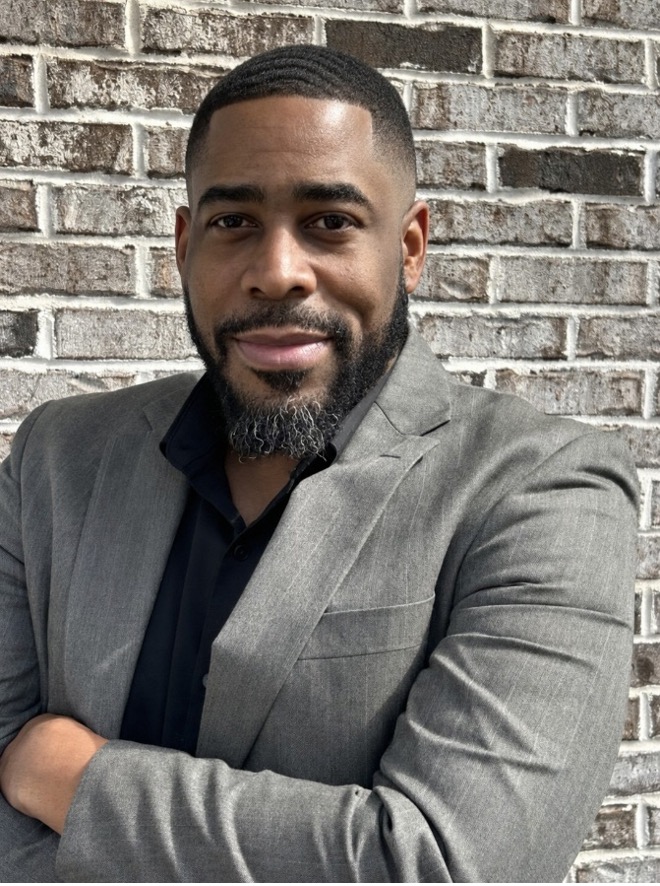
Christopher Fitzgerald is an author, father, customer success leader, and emerging thought leader in the dance technology industry. His career centers on transforming client insights into stronger operational strategies, training programs, service standards, and growth opportunities. Through his work supporting dance organizations nationwide, Christopher has developed a distinctive perspective on the intersection of technology, leadership, customer experience, and the responsibility businesses have to the communities they serve. As the father of a daughter who dances, he brings both professional insight and personal conviction to conversations about preserving childhood, promoting healthy artistic expression, and creating safer, more thoughtful environments for young performers. LinkedIn