
Last reviewed: November 2026
Originally published April 26, 2023. Updated November 2026.
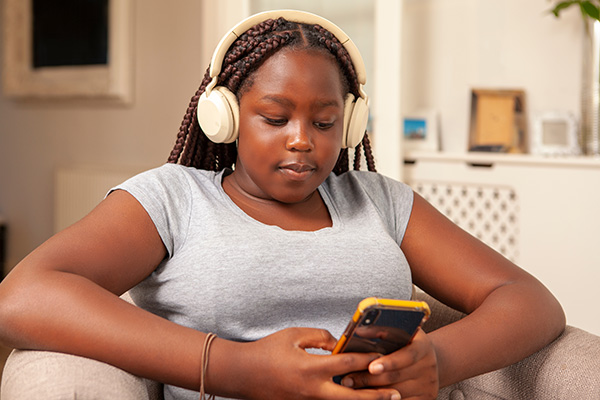
Dance is one of the healthiest things a child can do. Dance trends on social media are a different matter though. They put kids’ bodies, faces, and names in front of an audience they can’t see. Here’s what parents and caring adults should know.
Why trends reach young kids
Trends spread because they are short, catchy, and easy to copy. A child doesn’t need a studio, a teacher, or permission. They need a phone and a song. Kids also pick trends up from older siblings, friends, and classmates well before they reach the platform’s minimum age.
Dance students are especially visible. Kids often post clips from studios and living rooms, and those clips can be searched, saved, and shared by people the family will never meet.
Red flags in a trend
Not every trend is a problem, but watch for these:
- Adult choreography or lyrics. Moves or song lines written for adults, performed by children.
- Sexualized framing. Camera angles, poses, or outfits that focus on a child’s body instead of the dancing.
- Pressure to perform for views. Trends that reward likes, follower counts, or “duets” with strangers.
- Public accounts. Anyone can watch, download, and comment on a public video.
- Unknown followers or private messages. Comments or DMs from adults the child doesn’t know are a serious warning sign.
- Requests for more. Anyone asking for more videos, different outfits, or personal details is a red flag.
How to talk to your child
Calm conversations work better than bans. Kids who feel judged tend to hide what they do online.
- Start with curiosity. Ask which dances they like and who they watch.
- Watch together. Look at a trend with them and ask what they notice.
- Explain why, in simple terms. Some adults look at kids’ profiles for personal details, such as what a child wants or feels lonely about, and use them to build trust. To the child, that person doesn’t feel like a stranger.
- Set clear rules together. Examples: private accounts only, no posting from home without a parent, no replying to messages from people they don’t know.
- Make it safe to tell you. Promise your child they won’t be punished for telling you about something uncomfortable.
Safer alternatives
- Dance with your child in the living room and don’t post it.
- Share videos privately with family and friends.
- Choose studios with age-appropriate choreography and costumes. DA:NCE’s Find a Safe Studio directory can help.
- Let kids create their own choreography to age-appropriate music, but again, don’t post publicly.
- Encourage live performance, recitals, and community events, where the audience is visible.
The evidence: what research says about children, trauma, and online exposure
I often mention trauma when I speak about the hypersexualization of children in dance. The word comes from the Greek for “wound.” Research shows that trauma can have lifelong physical and psychological effects, including adverse childhood experiences (ACEs) and PTSD. Symptoms can include depression, anxiety, flashbacks, and recurring nightmares. The American Psychological Association’s report on the sexualization of girls defines what it means to sexualize a child.
Online grooming. At the 2023 SHAPE America conference in Seattle, where I spoke on “Wholesome to Hypersexualized: What Happened to Children’s Dance?”, tech policy and child safety advocate Rick Lane described how predators study a child’s public profile for vulnerabilities and build trust around the child’s own expressed needs. And even with minimum age requirements, we know kids are still accessing these platforms. According to Pew Research Center, TikTok, Instagram and Snapchat remain widely used among teens. Roughly six-in-ten teens say they use TikTok and Instagram, and 55% say the same for Snapchat.
What helps. At the same conference, Anthony “Ant” Toombs of the Life is Good Kids Foundation shared research behind the Playmaker Project. The Foundation reports that a positive relationship with even one caring adult in early childhood can change a child’s life. Its care plan focuses on four things:
- Joyfulness (not the same as happiness, and not competitive)
- Internal control
- Active engagement and creativity
- Social connections
These support healthy brain development and emotional functioning, and dance can be a natural way to build them.
The takeaway: the same activity that builds joy and connection can expose kids to harm when it’s posted publicly without safeguards. A caring adult makes the difference.
What can parents do?
Educate yourself and talk to your kids. Some great resources:
Remember friends, even though some of this information is troubling, caring adults change the culture because we are the culture. That’s why I’m an optimist.