by George Frinpong Boateng
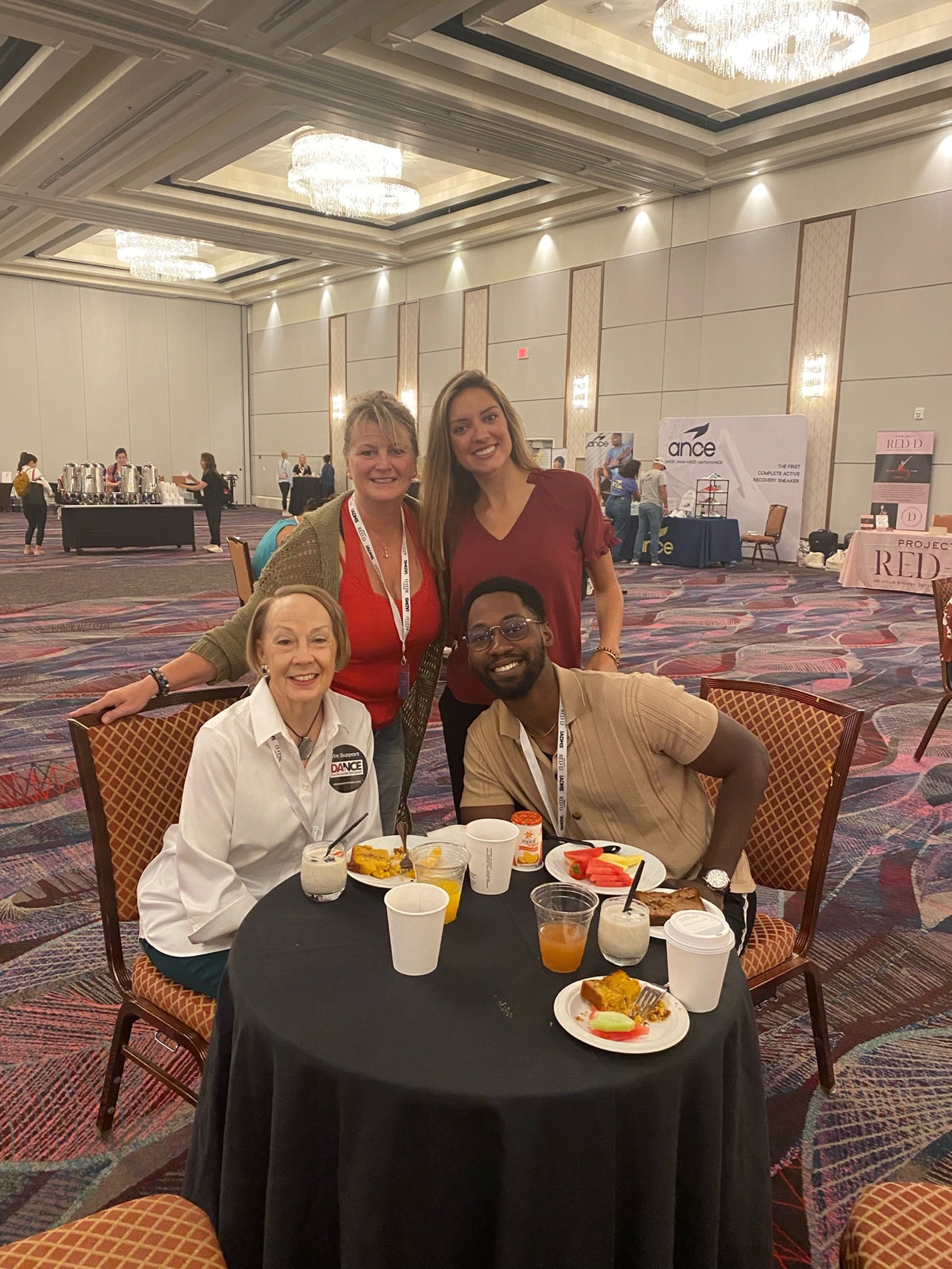
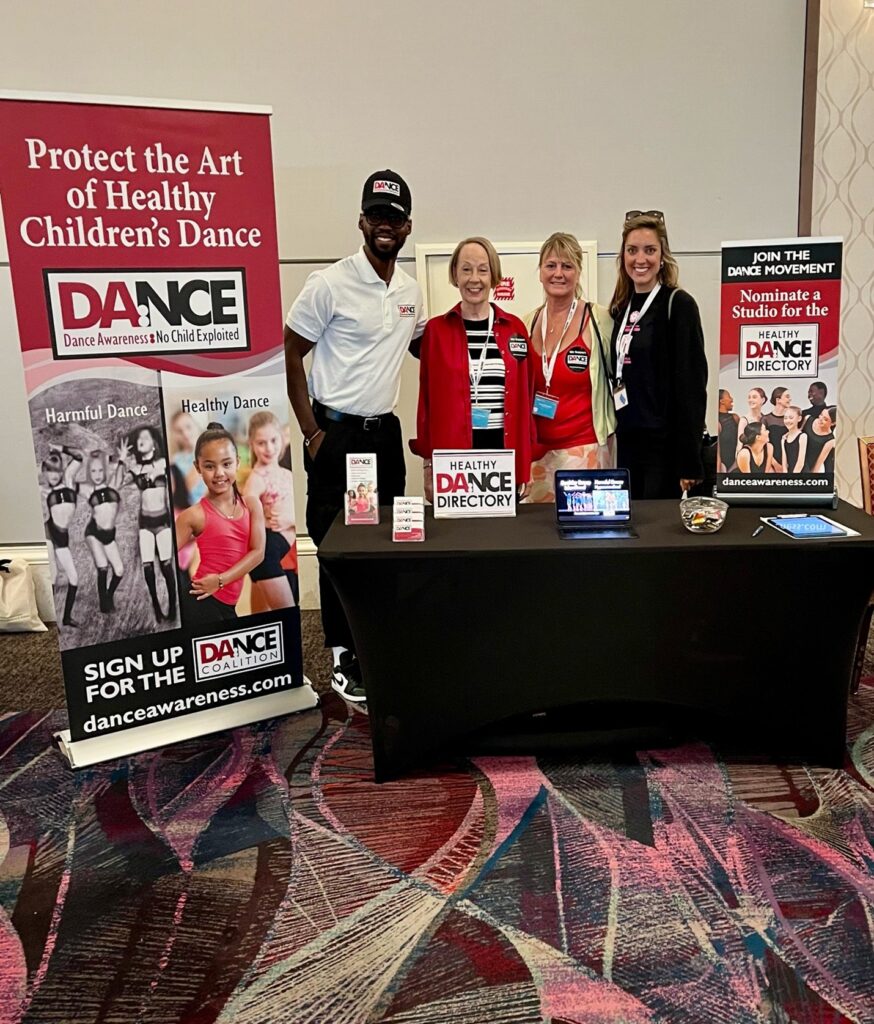
From September 25th-28th 2025, I had the honor of attending the International Association for Dance Medicine & Science (IADMS) Annual Conference at the Flamingo Hotel in Las Vegas. I was accompanied by Mary (founder of DA:NCE), Ziba (a DA:NCE Trustee Board member), and Joanne (a member of the DA:NCE Coalition Advisory Council). We proudly represented DA:NCE an initiative dedicated to addressing and preventing the hypersexualization of children in dance.
The IADMS Annual Conference is a four-day, CME-certified event that attracts over 500 professionals from across the globe. Attendees include experts in health and wellness, dance science, somatics, education, physical therapy, arts administration, and fundraising. This year’s program included more than 100 lectures, 50 movement sessions, and a wide range of breakout discussions and networking opportunities.
For DA:NCE, the conference offered a unique opportunity to engage with an audience that deeply understands the complexities and cultural context of dance but who may not always be aware of the increasing normalization of hypersexualized content in children’s choreography, costumes, and training environments.
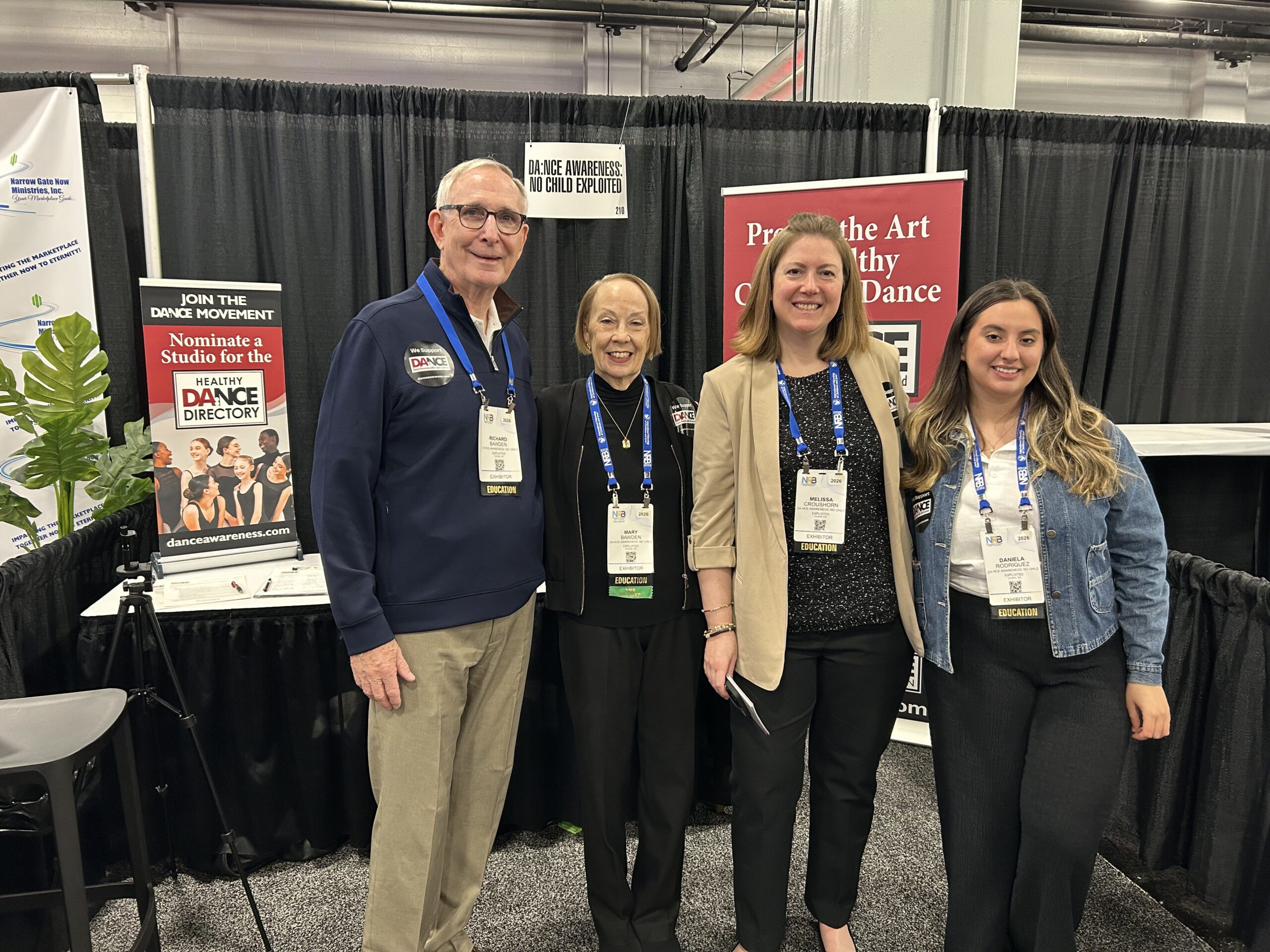
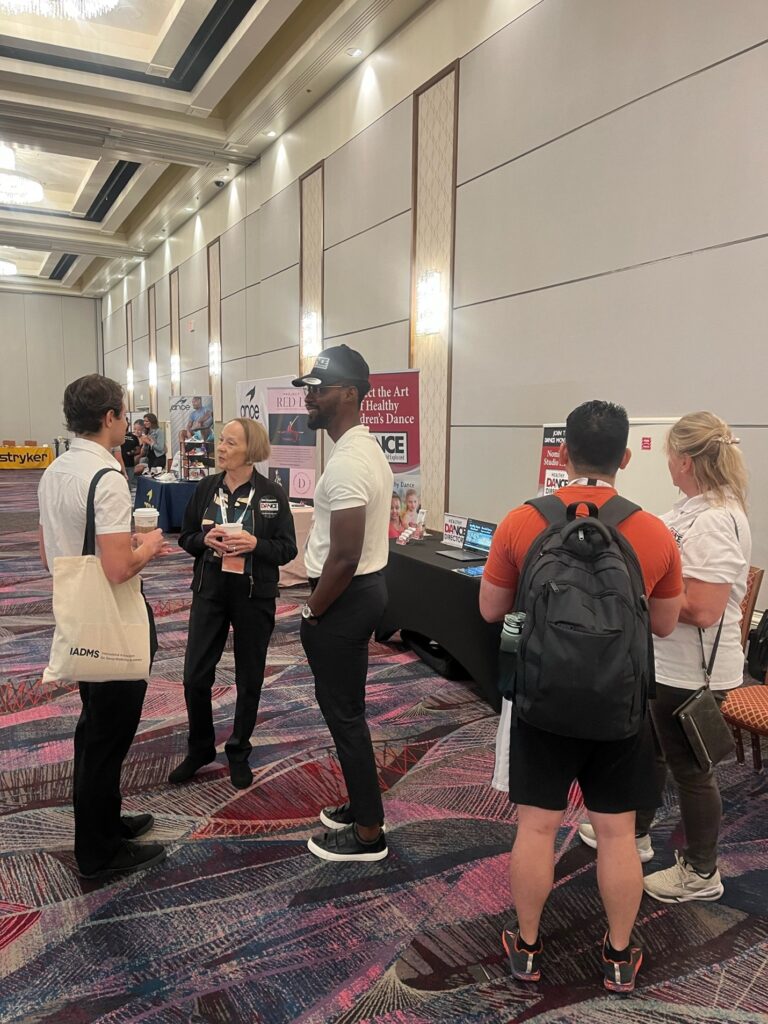
We participated as exhibitors and educational experts, showcasing the DA:NCE mission and providing resources to those curious about the initiative. What stood out immediately was the enthusiasm and openness of the attendees. From physical therapists and studio owners to college professors and dance students, people not only listened, but they also shared, they engaged, and many thanked us for speaking out on a topic that often goes unaddressed.
One particularly striking conversation was with a college dean who shared her experience growing up in a hypersexualized dance environment. She recalled how her parents, recognizing something was not right, removed her from the studio. It was a moment of reflection both on what was normalized back then and how little guidance existed for parents. That absence of awareness is precisely what DA:NCE is working to change.
We also spoke with several students and emerging artists who opened up about previously choreographing or performing routines that, in hindsight, they now recognize as problematic. One dancer mentioned how she cringes at childhood dance photos and videos, questioning why no one intervened and wondering how such imagery had been accepted as “normal.” I reassured her that this is the cultural issue we are challenging: what has long been accepted must now be examined.
We heard from a physical therapist who loved dance but chose to leave the competitive scene because of the pressure to perform in hypersexualized styles. Instead, she pursued a career in dance rehabilitation, supporting dancers in healing without compromising their values.
Parents shared personal stories as well. One caring adult described switching studios after witnessing inappropriate costume choices and movement vocabulary, thankful to have found safer alternatives. Another said she had long wished for a tool like DA:NCE’s Studio Directory, which helps families identify dance schools that prioritize child-appropriate environments.
Each story reinforced our belief that DA:NCE isn’t just timely, it’s necessary.
Throughout the conference, our table became a place for dialogue, connection, and forward thinking. We distributed informational materials, invited attendees to join our growing network, and received numerous sign-ups from individuals eager to stay involved. Several attendees expressed interest in writing guest articles, sharing their own journeys, or helping spread awareness within their professional circles.
We also had the chance to learn from other experts at IADMS from injury prevention strategies to new research on dancer mental health. These insights further inform our work, helping us strengthen our educational offerings and refine the tools we provide to parents, educators, and dance professionals.
As we left Las Vegas, it was clear that the conversations we had at IADMS were just the beginning. DA:NCE is part of a larger cultural shift one that values children’s safety, development, and dignity in dance. Our presence at the conference was not just about raising awareness; it was about inviting collaboration and building a coalition of stakeholders who believe dance can be empowering without being exploitative.
We are grateful to the IADMS community for their openness and engagement. We’re also especially thankful for the support of our team members, like Mary,
Ziba, and Joanne, whose leadership and commitment continue to drive this mission forward.

George Frinpong Boateng is a marketing strategist and brand storyteller with over a decade of experience in marketing, sales, and community engagement. He has led integrated campaigns across nonprofit, faith-based, and corporate organizations, helping brands connect authentically with their audiences through clear messaging and creative strategy. George currently works in marketing leadership and consults with organizations on brand development, leadership, digital marketing, and community-driven growth. He also serves on the team at DA:NCE as a Field Rep. Director, overseeing educational exhibits and experiential activations at conferences to advocate for and raise awareness about the hypersexualization of children in dance. George enjoys mentoring young leaders and building initiatives that create meaningful impact.