
Early Memories of Dance
My earliest experiences of dance occurred around age 7 which was incredibly pleasant: my family enrolled me in a lyrical and jazz funk class at the local Parks and Recreation center which I remember wholeheartedly enjoying. I loved moving alongside other students to super fun beats and I always remembered the teacher’s smiling faces, upbeat personalities, and genuine encouragement. My aunt has also been a huge influence in my dancing journey as a long-time dance instructor and studio owner in Long Island, New York. I’ve always enjoyed trying on many of her elaborate costumes, dancing to “Newsies” on repeat, and showcasing endless performances for our families and friends. Furthermore, I absolutely loved being an integral part of my college dance team…some of my fondest memories, communal performances, and heartfelt connections came from those amazing experiences.
Dance Elements
As I grew older, I continued to take dance classes, perform on stage, choreograph routines, teach students in the community, and became a mama of two beautiful young girls. Throughout these instances, I started to realize something that never even crossed my mind: how impressionable kids are at younger ages…especially in reference to oversexualized dance. What I often notice when watching dance videos online from my favorite choreographers or viewing community performances in real time are the dance attire, choreography, and lyrics of a song. How these elements interplay may result in beautifully age-appropriate dance or lead children into hypersexualization.
Breaking It Down
The first thing that always catches my eye is the attire. Many dancers of all ages (but especially children & youth) wear tight clothing, cropped outfits, bikinis, spandex, and sometimes undergarments that may reveal private body parts that might be portrayed in a sexualized manner. What sparks my attention is how often dance attire may enhance emotions in the piece or elevate the storyline of the routine; when attire is explicit and/or portrayed in a sexualized way, the audiences’ gaze may be naturally drawn to the attire [or exposed body parts] of the dancer which may unintentionally convey a different meaning of the performance that was originally intended…especially if that message was not intended for hypersexualization. This strongly encourages me to be stylish and fashionable on stage…showcasing my personality while integrating my passion for the choreographed piece, without revealing my body in an overtly sexualized tone or conveying a sexualized implication of the storyline in the performance.
Secondly, I observe the choreography tied to the lyrics which can often showcase hypersexualized and explicit gestures. Whether children and youth are performing those moves, or simply observing, those observations and experiences may transform into internalized perspectives about the standard of what a dancer “should” portray in choreography and movement. In my dance studio, I take careful consideration when creating a dance move and integrating those moves into choreography. I strive to visualize how that move can evoke innovation, excitement, technique, and enthrallment for dancers as well as the audience without them being subject to disrespect or excessive sexualization.
Lastly, the lyrics…these may often be the piece that stands out the most in a routine [since the listening audiences may be captivated and drawn to the words of a song.] What I have often noticed throughout my experiences over the years in my dancing journey is the formation of a signature style and dance culture that originates from those song lyrics. When the song lyrics include explicit content, sexualized movements, and/or vulgarity, child and youth dancers and the audience may be influenced by hypersexualization and that influence may occur without their awareness or understanding of how that may impact them internally. Screening each song meticulously to ensure minimal vulgarity, explicit lyrics, and/or sexual content is my first step in the process to choreographing a routine. Thus, I intentionally choose a song that sets the tone to approach all elements of the dance routine [including attire, choreography, and lyrics,] that showcases the storyline and performance in a non-hypersexualized manner.
The Impact
Over the years, what I’ve observed from a professional and personal perspective is that the dancer’s body image and sexualized movements naturally tend to be showcased and applauded which may foster an ideal or internalized pressure from the dancer to perform through this hypersexualized lens. This may possibly create an identity or feed into the ideal that dancing needs to include these sexualized aspects to gain fame, followers, fortune, and/or career advancement. Furthermore, this may influence the young dancers to alter or shift their beliefs, values, and/or dancing abilities and conform to the demands of the audience or the culture of the dancing industry…even at the expense of what’s most important: their innocence and dignity.
Vision and Mission
This led me to create a dance studio that fosters a culture and welcoming environment that is family-friendly, enjoyable, and protects against hypersexualization. I feel extremely confident knowing that no matter who enters my doors, watches my content, or attends my performances (including my girls,) dancers and the audiences may wholeheartedly enjoy the instruction and performances in a space that feels safe and secure. Safeguarding against hypersexualized dance [including explicit additives, sexualized content, and/or vulgarity,] is top priority and allows my dance studio’s mission to shine brightly across all platforms. I am incredibly proud to continue finding creative ways to pursue what I love without compromising my values or beliefs. This allows me to uphold my truest mission as a dance instructor, performer, and studio owner: offering my students and families a healthy and fun dance experience beyond what they’re expecting.
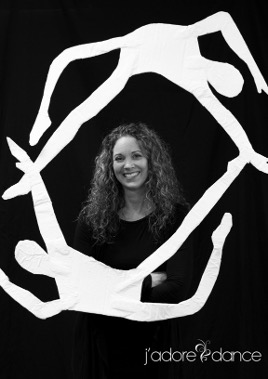
Bio: Jessie Ricker is honored to be the founder of SuperFly Dance Studio located in Portland Oregon. Her dancing journey comprises over 24 years of experience. This includes Jazz technique, Hip-Hop (her favorite), Salsa, Musical Theater, Lyrical, Flag/Poms, and performing with her Dance Force college team at Eastern Washington University. She has had the privilege of dancing at several studios on the West Coast including Beach Cities Dance and Debbie Reynolds Studio in Los Angeles, CA. She began teaching Hip-Hop classes to youth and adults in the Portland-Metro area beginning in September 2024. She has re-entered the performance world as of March 2025. Favorite recent performances include dancing at the half-time events at local basketball games and pro football games (including the Seattle Seahawks) as well as representing the dance community at local events such as Relay for Life and PDX Hip-Hop Week. Jessie appreciates dancing as a way to express emotions, connect with the dance community, gain inspiration, grow and have fun. She shares her heartfelt passion and foundational skills with her students to help them grow in their dancing abilities, develop confidence and SuperFly charisma. SuperFly Dance Studio